Quick answer
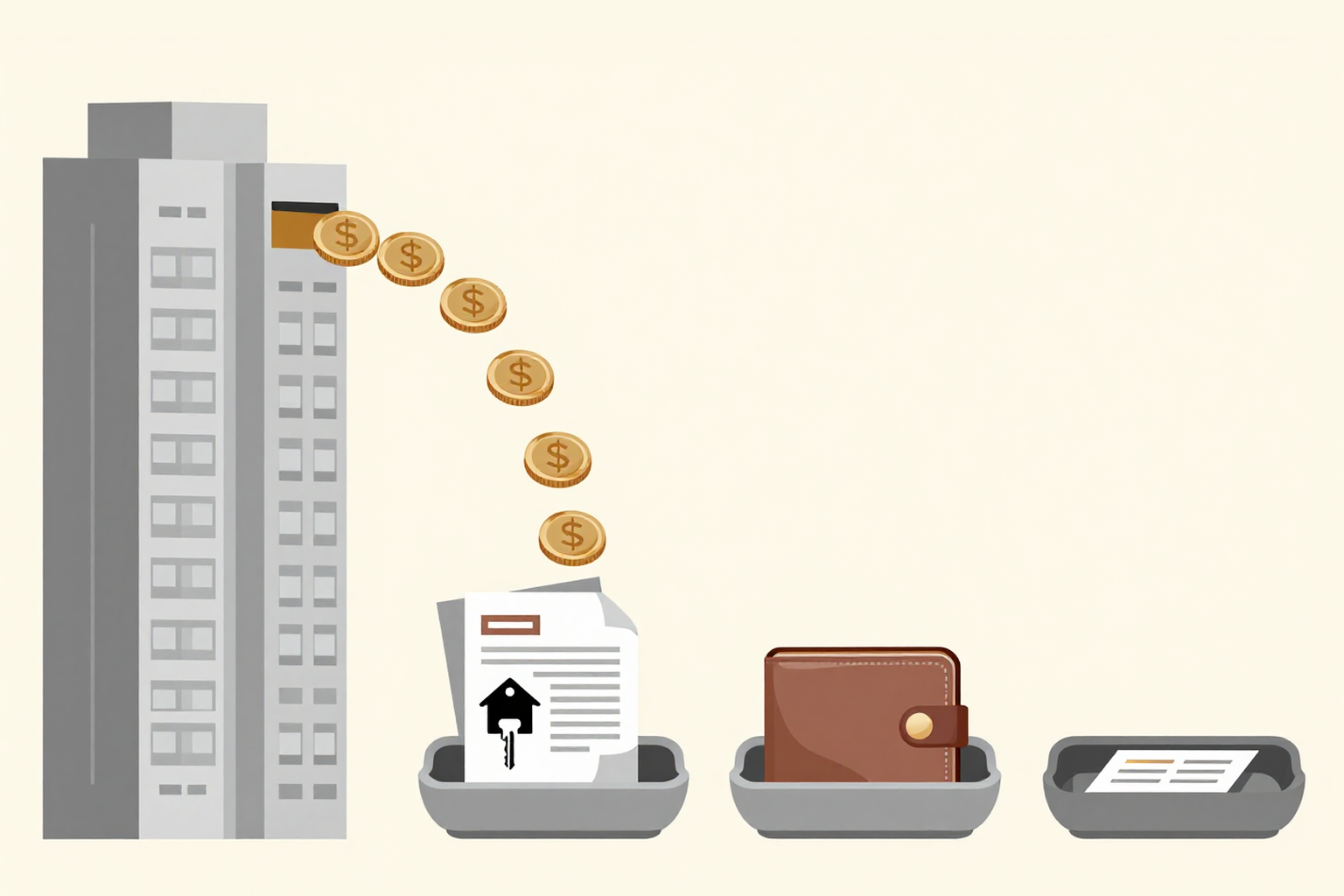
Yes. An outstanding mortgage does not stop you from selling a private condo. The loan is repaid out of the selling price when the sale completes. For private property bought or refinanced on or after 1 September 2002, CPF Board states that the selling price is applied first to the outstanding housing loan, then to the required CPF refund, then to other sale expenses such as legal fees.
What matters is the amount left after those payments, which can be much less than the headline price. Before you issue an Option to Purchase, confirm your loan terms, an indicative redemption figure, your CPF refund and whether your price is in line with market value.
Five checks before you sell with a loan
Read your loan documents for any lock-in, fee or notice terms.
Ask the bank for an indicative amount to clear the loan.
Check the required refund on your CPF dashboard.
Compare your target price with recent transactions.
Plan completion and your next move around the net cash.
Order of payment from the selling price
| Order | What is paid | Who can confirm the figure |
|---|---|---|
| 1 | Outstanding housing loan | Your bank, through the redemption figure |
| 2 | Required CPF refund | CPF Board, via your Home ownership dashboard |
| 3 | Other sale expenses, for example legal fees | Your conveyancing lawyer |
Order applies to private properties bought or refinanced on or after 1 September 2002 (CPF Board). Older financing follows a different order. This table does not determine your own figures.
Key takeaways
- You can sell a condo while the loan is still running; the loan is redeemed from the selling price at completion.
- For most private property bought or refinanced on or after 1 September 2002, the loan is paid first, then the required CPF refund, then other sale expenses.
- The required CPF refund returns to your CPF account. It is not part of the cash you can spend.
- Your loan documents may contain terms that affect redemption timing or cost. Check them before you commit to a completion date.
- If the price is not enough to cover the loan and CPF refund, the outcome depends on whether the property sells at market value. Get figures before issuing an OTP.
Background
CPF Board explains that the distribution of sale proceeds follows a set order that depends on when the property was bought or refinanced and the type of loan. For private properties bought or refinanced on or after 1 September 2002, and for HDB flats, the selling price is used to pay the outstanding housing loan first, the required CPF refund second and other sale expenses third.
CEA’s seller checklist for completed private residential property also lists mortgage liability and redemption, with CPF Board or the seller’s bank where applicable, as one of the items for a seller to check before entering into a contract.
This article organises that official guidance into a practical sequence for a condo seller who still has a loan. It does not replace the figures that your bank, CPF Board and lawyer will confirm for your own transaction.
Latest guidance
The CPF Board pages used for this article were last updated on 12 June 2026 and were reviewed on 31 October 2026. This article does not report a new policy or effective date.
Loan terms, CPF figures and market conditions can change, so confirm current figures at the time you plan to transact.
Who is affected
This guide is for owners preparing to sell a completed private residential property, such as a condominium or apartment, that still has a bank loan, a CPF housing charge or both.
It is most relevant if you plan to use the proceeds for another purchase, if you used CPF savings for the property, or if you are unsure whether the sale price will leave much cash after the loan is cleared.
Who is not affected
This is not the process for selling an HDB flat. HDB sellers follow HDB’s resale procedures; the HDB resale page covers that route.
Properties bought before 1 September 2002 and not refinanced after that date follow a different order of payment under CPF rules. Uncompleted properties, commercial properties and industrial properties can also involve different contract and financing considerations.
This article does not give tax, legal or loan advice for a specific transaction.
What remains unchanged
- The sale price and terms still have to be agreed between buyer and seller.
- A loan does not remove your right to sell, but it must be dealt with at completion.
- The gross selling price is not the same as the cash you receive.
- A property agent does not replace your bank, CPF Board or a conveyancing lawyer.
- No sale price, timeline or completion outcome is guaranteed.
Planning considerations
1. Read your loan documents before you list
Look at your loan agreement or letter of offer for any lock-in period, early-repayment fee or notice requirement. These terms differ between loans and banks, so do not assume that a rule you heard about applies to yours. If the terms are unclear, ask the bank to confirm them in writing before you agree a completion date with a buyer.
2. Get an indicative redemption figure
The redemption figure is the amount needed to clear your loan on a given date. It changes with the date and can include interest and any applicable fees. Ask your bank for an indicative figure early, and expect your conveyancing lawyer to obtain the final figure for the actual completion date.
Until the loan is redeemed it remains your obligation, so keep servicing it unless your bank tells you otherwise.
3. Check your required CPF refund
If you used CPF savings for the property, you must refund the CPF principal used plus accrued interest from the sale proceeds. CPF Board directs members to the What happens if section of the Home ownership dashboard for the required housing refund. The refund goes back to your CPF account, so it reduces the cash you can use even though the money is still yours.
4. Compare your price with market value
CPF Board states that if the selling price cannot cover the loan and the required CPF refund, and the property is sold at market value, you only need to refund the remaining proceeds after the loan is paid. If it sells below market value, you will need to top up the shortfall in cash. CPF Board points private property owners to URA’s property market information for an indication of market value.
You must still refund any option monies received from the buyer, such as the option fee and option exercise fee, in cash to complete the transaction. Talk to your lawyer before issuing an OTP if your price is close to your loan and CPF position.
5. Know what to do if the price may not cover the bank loan
If the likely selling price could fall below the amount needed to clear the bank loan, the difference is a matter between you and the bank. Speak to your bank and conveyancing lawyer before you issue an OTP, so that you understand the shortfall and how it would be settled at completion.
6. Plan the next purchase around net cash
Work out your likely position after the loan, CPF refund and sale expenses, not from the headline price. The property sale proceeds calculator can give a first illustration only. Confirm the actual figures before you commit to buying another property. The pre-OTP seller checklist covers ownership, tax, possession and completion checks that apply alongside the loan.
7. Get help with the sale plan
Price evidence, buyer positioning and timing can all affect how much is left after the loan is cleared. The private-property selling page explains how Melvin supports the wider selling process. Legal and loan matters remain with your lawyer and bank.
FAQ
Official sources
- CPF Board — What Will Happen to My Sales Proceeds After the Sale of My Property? — last updated 12 June 2026
- CPF Board — How Much Do I Need to Refund if the Selling Price Is Not Enough to Cover the Loan and Required CPF Refund? — last updated 12 June 2026
- Council for Estate Agencies — Checklist for Seller for Sale of Completed Private Residential Property
- Urban Redevelopment Authority — Residential Transaction Search
This article provides general educational information. Loan, CPF, tax and conveyancing matters depend on the actual transaction and should be confirmed with your bank, CPF Board or a professional adviser before a binding commitment is made.