Quick answer
With effect from 28 July 2026, private residential property owners and former private residential property owners who buy a non-subsidised HDB resale flat without an HDB housing loan are no longer subject to the 15-month wait-out period. The change does not remove other HDB eligibility, financing and disposal conditions, so buyers should still verify their HDB Flat Eligibility letter, loan mode and sale timeline before committing.
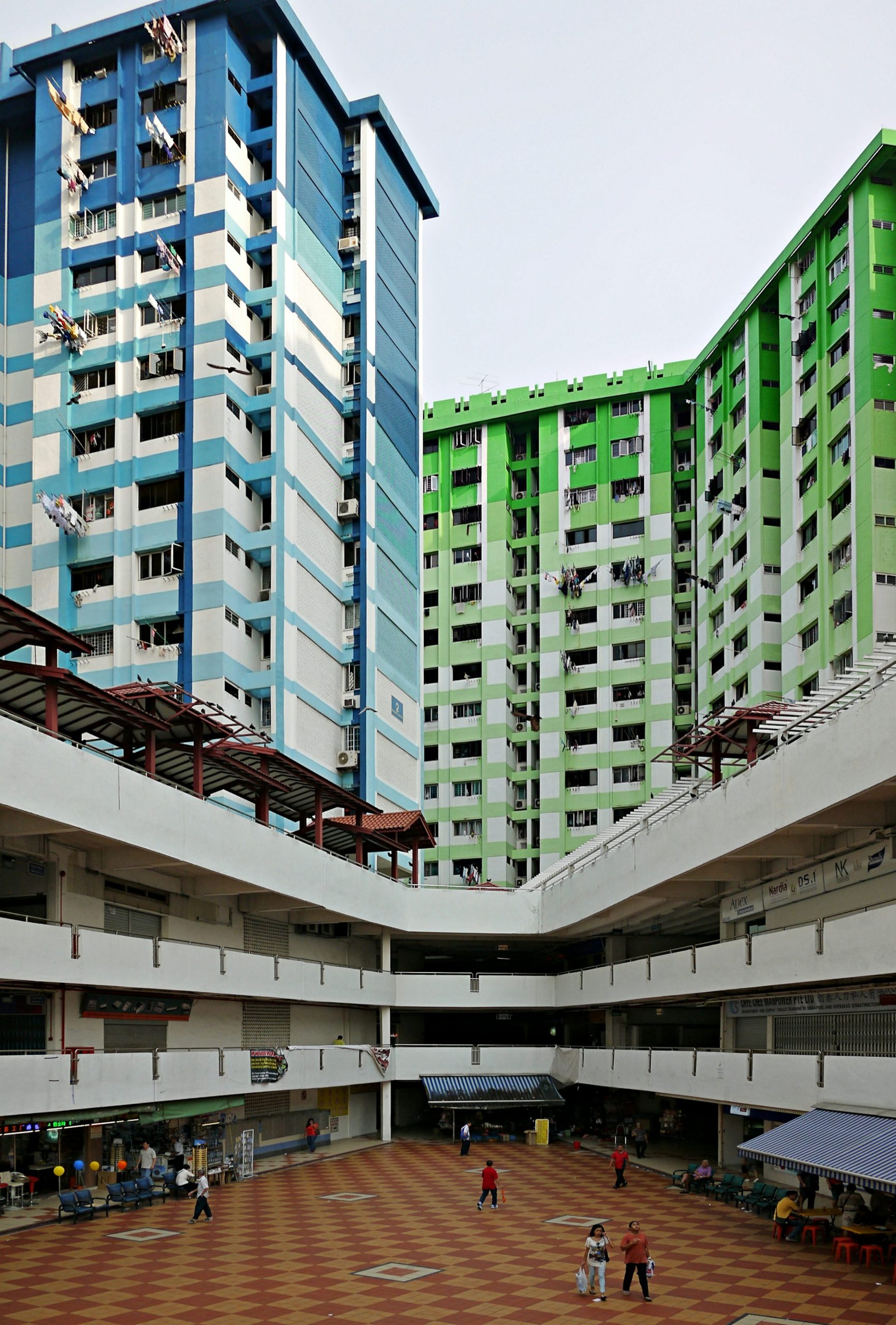
The removal of the 15-month wait-out period is a meaningful policy change for private property owners who are considering a move into the HDB resale market. Under the previous rule, many private owners and former owners had to sell first, wait 15 months, and then proceed with a non-subsidised HDB resale flat purchase unless an exemption applied.
The new position shortens that planning chain for eligible buyers, but it does not mean every private-to-HDB move is automatically straightforward.
What was the previous 15-month wait-out period?
The 15-month wait-out period was introduced on 30 September 2022 as part of property cooling measures. It applied to private residential property owners and former owners who wanted to buy a non-subsidised HDB resale flat.
In practical terms, affected buyers generally had to dispose of their private residential property and then wait 15 months before they could buy the non-subsidised resale flat. The measure was intended to moderate demand in the HDB resale market and keep resale flats accessible for buyers with stronger housing needs, especially first-time home buyers.
There was also a senior exemption for Singapore citizens aged 55 and above moving from private property to a 4-room or smaller non-subsidised HDB resale flat.
What changed on 28 July 2026?
The official HDB announcement states that, with immediate effect, private residential property owners and former owners who purchase a non-subsidised HDB resale flat without an HDB housing loan will no longer be subject to the 15-month wait-out period.
This means eligible private property owners may be able to move into a non-subsidised HDB resale flat without waiting 15 months after disposal of the private property.
Buyers must still obtain an HDB Flat Eligibility, or HFE, letter before purchasing an HDB resale flat. Existing valid HFE letters remain relevant if the buyer’s purchase plans are unchanged. For HFE applications already being processed, HDB will automatically update the eligibility status.
Why was the rule removed now?
The removal follows signs of stabilisation in the HDB resale market. According to HDB, the HDB Resale Price Index declined for two consecutive quarters in the first half of 2026: 0.1% in the first quarter and 0.3% in the second quarter. HDB also noted five consecutive quarters of slower or no price growth from the fourth quarter of 2024 to the fourth quarter of 2025.
Supply is another factor. HDB noted that more Build-To-Order flats are expected to complete their Minimum Occupation Period over the coming years. The number of BTO flats reaching MOP is expected to rise from 8,000 in 2025 to 13,500 in 2026, 15,000 in 2027 and 19,500 in 2028. More flats reaching MOP may add resale supply and support a more balanced market.
The policy change should therefore be read as a response to current market conditions, not as a guarantee that resale flat prices will move in any particular direction. Buyers and sellers should still review actual transactions, flat attributes and affordability.
What did not change?
The removal is specific. It does not remove all conditions for private property owners buying HDB flats. It applies to private residential property owners and former owners purchasing a non-subsidised HDB resale flat without taking an HDB housing loan.
Key conditions remain important:
- Buyers must still obtain an HFE letter before purchasing an HDB resale flat.
- Private residential properties in Singapore or overseas must still be disposed of within six months from completion of the HDB resale flat purchase.
- The 30-month wait-out period remains for private owners or former owners who wish to buy subsidised HDB flats, buy resale flats with grants, buy an Executive Condominium unit from a developer, or take an HDB housing loan.
- Buyers must still meet the prevailing eligibility, ownership, financing and resale flat conditions at the time of application and completion.
These details matter because outcomes can differ depending on whether buyers use grants, take an HDB loan, buy a subsidised flat, or buy a non-subsidised resale flat with bank financing or cash.
Before and after comparison
| Area | Before the change | From 28 July 2026 |
|---|---|---|
| Private owners buying non-subsidised HDB resale flats without HDB loan | Generally subject to a 15-month wait-out period after disposal, unless an exemption applied. | No longer subject to the 15-month wait-out period. |
| Senior private owners aged 55 and above buying 4-room or smaller non-subsidised resale flats | Exempted from the 15-month wait-out period. | Still able to proceed under the updated position, subject to HFE and other checks. |
| Private owners buying larger non-subsidised resale flats | Could be subject to the 15-month wait-out period if no exemption applied. | May proceed without the 15-month wait-out period if other conditions are met. |
| Subsidised HDB flat, resale flat with grants, EC from developer, or HDB loan | Existing 30-month wait-out requirement may apply. | The 30-month requirement remains unchanged. |
| Private property disposal after HDB resale completion | Private property generally had to be disposed of within the required timeline. | Private property must still be disposed of within six months from HDB resale completion. |
Who may benefit from the removal?
The most direct group is private property owners and former owners who are planning to buy a non-subsidised HDB resale flat without using an HDB housing loan. This may include households right-sizing from a condo or landed property, former private owners who already sold their home, and families who prefer an HDB resale flat for location, family support or retirement planning.
It affects buyers waiting for an appeal outcome and private owners who held a valid HFE letter for a 4-room or smaller non-subsidised resale flat. HDB stated that pending appellants may apply for an HFE letter directly, while buyers who now wish to consider a 5-room or larger flat may cancel and re-apply.
Transaction considerations before acting
Even though the wait-out period has been removed for eligible cases, a private-to-HDB move still requires careful sequencing. The private property sale, HFE letter, loan mode, HDB resale search, Option to Purchase, completion timing and six-month disposal condition should be reviewed together.
Owners who have not sold their private property should avoid treating the policy change as a reason to rush. Sale price positioning, buyer quality, completion terms, sale proceeds, loan readiness and renovation cost still matter.
Buyers should also check whether they are taking a bank loan, paying in cash, using CPF savings, relying on private sale proceeds, or budgeting for Buyer Stamp Duty. Each funding path has its own timing. The HFE letter remains a central checkpoint.
Possible market impact
The removal may bring some private owners back into the HDB resale market sooner than before, especially for larger flats, mature estates, well-connected towns and flats that suit right-sizing households. However, the actual impact will depend on supply, affordability, buyer confidence and loan conditions.
For sellers, this may widen the pool of potential buyers for certain flats. Buyers will still compare lease balance, floor level, facing, renovation condition, proximity to MRT or family support, and the overall cost of the move.
Practical scenarios to consider
A condo owner wants to right-size into a 5-room resale flat
This buyer may now have a clearer path if the intended purchase is a non-subsidised HDB resale flat without an HDB housing loan. The buyer should still confirm HFE eligibility, bank financing or cash plan, CPF usage, private property sale proceeds and the six-month disposal condition.
A former private owner is currently waiting out the old 15-month period
This buyer should review the HDB announcement and apply for or check the HFE letter. If there was a pending appeal, HDB stated that the buyer no longer needs to wait for HDB’s reply before applying for the HFE letter.
A senior previously planned to buy a 4-room resale flat
The senior exemption already helped buyers aged 55 and above buying a 4-room or smaller non-subsidised HDB resale flat. If the buyer now wants to consider a 5-room or larger flat, the HFE position should be reviewed and, where relevant, re-applied for as HDB has indicated.
A buyer wants grants or an HDB housing loan
This is a different situation. HDB stated that the existing 30-month wait-out period remains for subsidised HDB flats, resale flats with grants, Executive Condominium units from a developer, or buyers intending to obtain an HDB housing loan.
Official references
- MND press release on the removal of the 15-month wait-out period
- HDB announcement on the removal of the 15-month wait-out period
- HDB conditions after buying a resale flat
- CPF Board guide to CPF refund when selling or transferring property
- IRAS guide to Buyer’s Stamp Duty
FAQ
Final thoughts
The removal of the 15-month wait-out period gives eligible private property owners more flexibility when moving into a non-subsidised HDB resale flat. Still, the six-month disposal condition, HFE letter, financing mode, grant position, HDB loan position and resale flat eligibility can materially affect the transaction. Private owners should verify their own situation against the latest HDB rules before signing an option or committing to a sale and purchase sequence.
Accuracy note: This article is based on official MND and HDB announcements available on 28 July 2026 and is for general educational discussion. It is not legal, financial or tax advice. Buyers and sellers should verify the latest eligibility, financing and completion requirements with HDB, CPF, their bank, their lawyer and the relevant authorities before making decisions.