For many HDB owners in Singapore, upgrading to a private condo is a major milestone. The decision is not only about buying a bigger or newer home. It often involves selling the current flat, refunding CPF, managing cash proceeds, taking a new loan, and choosing between different types of private property.
One of the most common questions is whether an upgrader should buy a new launch condo or a resale condo. In 2026, this question is especially relevant because the HDB resale market has shown signs of stabilisation, while private residential options remain varied across new launches, resale condos, executive condos, and newly completed projects.
There is no universal answer. A new launch condo may suit some households, while a resale condo may be more practical for others. The better choice depends on timing, affordability, space needs, risk comfort, family plans, and whether the buyer needs to move in soon.
This article provides a neutral comparison to help HDB upgraders understand the trade-offs. It is for general information only and should not be taken as financial, legal, tax, or investment advice.

HDB upgraders comparing options may want to review new launch project reviews in Singapore, HDB sale planning and EC upgrading considerations before deciding which route fits their household timeline.
Understanding the Upgrader’s Starting Point
Before comparing new launch and resale condos, HDB upgraders should first understand their own starting position. The upgrade journey usually begins with several key questions:
- How much can the current HDB flat realistically sell for?
- What is the outstanding loan amount?
- How much CPF needs to be refunded?
- What will be the estimated cash proceeds?
- Is the next purchase under one owner or joint names?
- Will Additional Buyer’s Stamp Duty apply?
- How much loan can the household obtain?
- What monthly repayment is comfortable?
- Does the family need to move immediately?
- Is temporary accommodation acceptable?
The answers to these questions may influence whether a new launch or resale condo is more suitable. For example, a household that needs to move within six months may find a resale or newly completed condo more practical. A household with flexible timing may be more open to a new launch.
What Is a New Launch Condo?
A new launch condo is a private residential project sold by the developer, usually before or during construction. Buyers choose from available units based on the project’s floor plans, site plan, showflat, pricing, and expected completion timeline.
New launch buyers typically pay according to a progressive payment schedule. This means payment is made in stages as construction progresses. For some buyers, this can reduce the initial monthly loan burden compared with buying a completed resale condo immediately.
However, buyers usually cannot view the actual unit before purchase. They rely on floor plans, showflat representation, specifications, and developer materials. There is also a waiting period before the unit is ready for occupation.
What Is a Resale Condo?
A resale condo is an existing private property sold by an individual owner. Buyers can physically view the actual unit, inspect the facing, condition, layout, light, noise, and surroundings before deciding.
Resale condos are often suitable for buyers who need to move in sooner. The transaction timeline is usually shorter than waiting for a new launch to complete. Some resale condos may offer larger floor areas, especially older developments.
However, resale units may require renovation, repairs, or replacement of older fittings. Buyers also need to check the age of the development, remaining lease, maintenance condition, sinking fund, facilities, and future repair costs.
Key Difference 1: Timeline
Timeline is often the most important difference.
A new launch condo may require buyers to wait several years before completion, unless the project is already close to TOP. This may suit HDB owners who are not in a hurry or who can continue staying in their current flat while waiting.
A resale condo allows faster occupation, subject to completion timeline and vacant possession. This may suit families who need to move due to schooling, space needs, lease expiry, family changes, or sale timeline.
For HDB upgraders, timing must be coordinated carefully. If the HDB flat is sold too early and the new launch is not ready, the family may need temporary accommodation. If the HDB flat is sold too late, there may be financial overlap or uncertainty.
Key Difference 2: Payment Structure
New launch condos usually follow a progressive payment structure. The buyer pays in stages based on construction progress. During the early stages, the loan disbursement and monthly instalment may be lower compared with a completed property.
This can be helpful for some upgraders, especially if they are still living in their HDB flat and have not yet sold it. However, buyers must still ensure they can manage the full loan repayment when the project is completed.
Resale condos usually require the full purchase completion within a shorter period. The buyer’s mortgage repayment begins based on the completed purchase. This may create a higher immediate cashflow requirement.
However, resale buyers get the benefit of certainty. They can see the actual unit, understand the condition, and move in or rent out sooner.
Key Difference 3: Space and Layout
Many older resale condos may offer larger floor areas compared with newer developments. This can be important for families upgrading from a larger HDB flat. Some HDB owners are used to spacious layouts and may find some newer condo layouts more compact.
New launch condos, on the other hand, may offer more efficient layouts, modern designs, better facilities, and contemporary fittings. However, efficiency does not always mean every unit suits every family. Buyers should study whether the bedrooms, kitchen, living area, balcony, and storage spaces meet real household needs.
For HDB upgraders, the adjustment from HDB to condo living should be considered carefully. A condo may offer facilities and security, but the internal floor area may be smaller than expected, especially at the same budget level.
Key Difference 4: Renovation and Condition
New launch condos are delivered with new fittings and finishes based on the developer’s specifications. Buyers may still renovate, but major replacement work may be limited at the beginning. This can reduce immediate renovation complexity.
Resale condos may require more renovation depending on age and condition. A well-kept resale unit may require only minor touch-ups, while an older unit may need a full renovation. Renovation cost can materially affect the total budget.
Buyers should not compare purchase price alone. A resale condo with a lower price may not be cheaper after adding renovation, repairs, replacement of appliances, and temporary accommodation during renovation.
Key Difference 5: Certainty Versus Potential
A resale condo provides more certainty because buyers can inspect the actual unit and existing environment. They can see the view, noise level, sunlight, common areas, parking, lift lobby, and general estate condition.
A new launch condo involves more assumptions. The buyer may be attracted to the concept, future transformation, developer reputation, or potential capital appreciation. However, the final living experience can only be confirmed after completion.
This does not mean one is better than the other. It simply means the risk profile is different. Some buyers value certainty. Others are comfortable with waiting and accepting some uncertainty in exchange for a brand-new product.
Key Difference 6: Rental and Investment Considerations
Some HDB upgraders buy for own stay, while others also think about future rental or resale potential. For own-stay buyers, lifestyle fit may be more important than rental yield. For investment-minded buyers, entry price, rental demand, tenant pool, supply pipeline, and exit liquidity may matter more.
A new launch may offer future upside if bought at a reasonable price and if the area develops well. However, buyers should be cautious about assuming guaranteed gains. Market conditions can change.
A resale condo may offer immediate rental potential if the unit is completed and in rentable condition. However, older developments may face competition from newer condos and may require more maintenance.
Any investment consideration should be treated as a projection, not a guarantee.
Key Difference 7: Price Comparison
Comparing new launch and resale condo prices is not always straightforward. A new launch may have a higher price per square foot but newer facilities and modern design. A resale condo may have a lower price per square foot but older condition or higher renovation cost.
Buyers should compare:
- Price per square foot
- Total quantum
- Floor area efficiency
- Age of property
- Remaining lease
- Maintenance fees
- Renovation cost
- Rental potential
- Recent transactions
- Nearby supply
- Exit buyer profile
For most upgraders, total quantum is often more important than price per square foot. A smaller new launch unit may have a higher psf but lower total price than a larger resale condo. The real question is whether the unit meets the family’s needs.
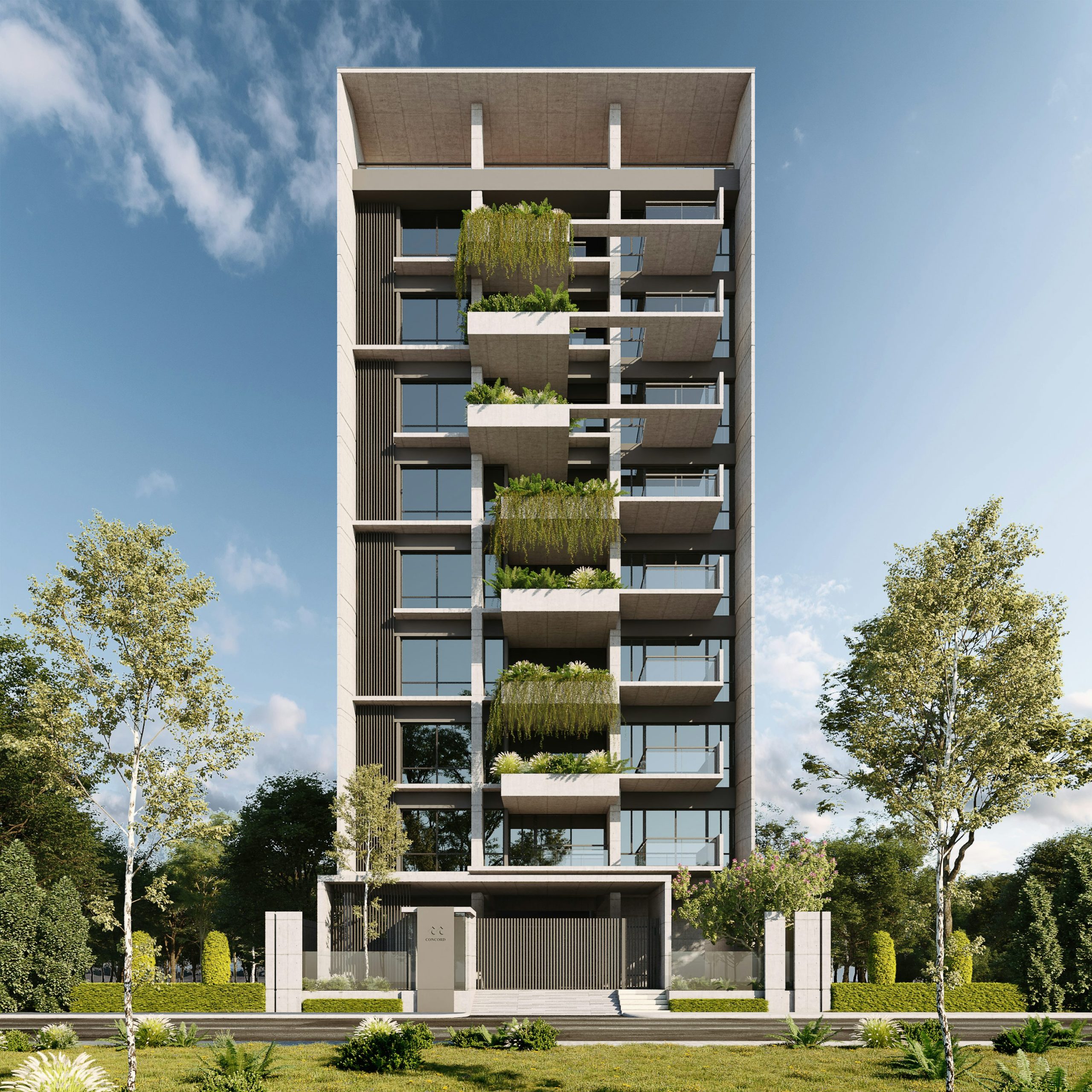
When a New Launch May Be More Suitable
A new launch may be more suitable for upgraders who:
- Do not need to move immediately
- Prefer a brand-new property
- Are comfortable buying based on floor plans and showflat
- Want progressive payment
- Have time to plan the sale of their HDB flat
- Prefer modern facilities and newer design
- Are comfortable with construction waiting time
- Have sufficient financial buffer
New launches may also appeal to buyers who want to enter a project early and have a wider choice of stacks and layouts. However, pricing, availability, and project fundamentals still need to be reviewed carefully.

When a Resale Condo May Be More Suitable
A resale condo may be more suitable for upgraders who:
- Need to move in soon
- Want to view the actual unit
- Prefer larger floor area
- Want more certainty on facing and condition
- Are uncomfortable waiting for construction
- Need to coordinate closely with HDB sale completion
- Prefer an established estate with visible occupancy patterns
- Have budgeted for renovation and repairs
Resale condos may also be practical for families with school-going children who need to settle into a location quickly.
What About Newly TOP Condos?
Newly TOP condos sit between new launches and older resale condos. They are completed or close to completion, so buyers may be able to view the actual unit while still enjoying a relatively new property.
For HDB upgraders, this category can be worth considering because it may reduce waiting time while still offering new facilities and modern design. However, newly TOP units may come with pricing that reflects their newness and immediate availability.
AMO Residence is an example of a newer District 20 condo that may be considered by buyers who want a completed or near-completed home in a mature estate. As with any property, buyers should compare the unit’s price, layout, facing, size, and alternatives before deciding.
Common Mistakes HDB Upgraders Should Avoid
Mistake 1: Looking only at the purchase price
The purchase price is only one part of the cost. Buyers should also consider stamp duties, legal fees, renovation, maintenance fees, property tax, moving cost, and emergency reserves.
Mistake 2: Assuming HDB sale proceeds will be higher than realistic
A conservative sale estimate is safer than an overly optimistic one. Upgraders should plan using realistic net proceeds after loan repayment and CPF refund.
Mistake 3: Underestimating the adjustment from HDB to condo space
Some condo layouts may feel smaller than expected. Buyers should measure furniture needs and daily living habits carefully.
Mistake 4: Ignoring monthly cashflow
A property may be affordable on paper but uncomfortable in monthly repayment. Households should stress-test instalments under different interest rate scenarios.
Mistake 5: Treating property purchase as guaranteed profit
Property values can rise or fall. Buyers should avoid relying on guaranteed capital gains when making a decision.
A Practical Decision Framework
HDB upgraders can use the following framework:
Step 1: Confirm affordability
Review cash, CPF, loan eligibility, monthly repayment, and emergency buffer.
Step 2: Estimate HDB sale proceeds
Use recent comparable transactions, not only asking prices.
Step 3: Decide move-in timeline
If the family needs to move soon, resale or newly TOP may be more practical. If timing is flexible, new launch may be considered.
Step 4: Compare total cost
Include renovation, maintenance, taxes, and financing cost.
Step 5: Shortlist by lifestyle
Consider commute, schools, parents, amenities, facilities, and space.
Step 6: Check exit flexibility
Think about who the future buyer or tenant may be, without assuming guaranteed demand.
Final Thoughts
The choice between a new launch and a resale condo is not about which category is always better. It is about which one better fits the upgrader’s timeline, budget, risk comfort, and family needs.
A new launch may offer modern design, progressive payment, and brand-new facilities, but it requires patience and comfort with uncertainty. A resale condo may offer immediate occupation, larger space, and visible condition, but may require renovation and higher upfront cashflow.
For HDB upgraders in 2026, the most sensible approach is to start with the numbers, then compare the options. A good upgrade should not depend only on market optimism. It should remain comfortable under realistic assumptions.
Before committing, buyers should review their sale proceeds, CPF refund, loan affordability, stamp duties, renovation budget, and long-term family plans. The right property is not necessarily the newest or the largest. It is the one that fits both lifestyle and financial comfort.
Frequently Asked Questions
Is a new launch condo better than a resale condo?
Not always. A new launch may suit buyers who can wait and prefer a new property, while a resale condo may suit buyers who need immediate occupation and want to view the actual unit.
Should HDB upgraders sell their flat before buying a condo?
It depends on financial holding power, timeline, and risk comfort. Selling first gives clearer proceeds, while buying first may help secure the desired unit earlier.
Are resale condos bigger than new launch condos?
Some older resale condos may offer larger floor areas, but layout efficiency, condition, and renovation cost should also be considered.
Is a newly TOP condo a good middle option?
A newly TOP condo can be a practical middle option because it is completed or close to completion while still offering newer facilities and design. Buyers should still compare pricing and alternatives.
What is the most important thing for HDB upgraders to check?
Affordability is usually the most important starting point. Buyers should review sale proceeds, CPF refund, loan amount, monthly instalment, stamp duties, and emergency buffer before choosing a property.